
Most patients who undergo teeth whitening treatment experience the same common complaint on their first day: a short-lived, sudden, and sharp sensitivity in their teeth. This sensation often makes them uneasy because they didn't have this problem before. One of the most frequent questions we receive at our clinic is: Is this sensitivity normal, or did something go wrong? The short answer is that it's expected and largely temporary. However, knowing why it occurs, how long it lasts, and when it should be taken seriously will make the process much easier.
Why does sensitivity occur after teeth whitening?
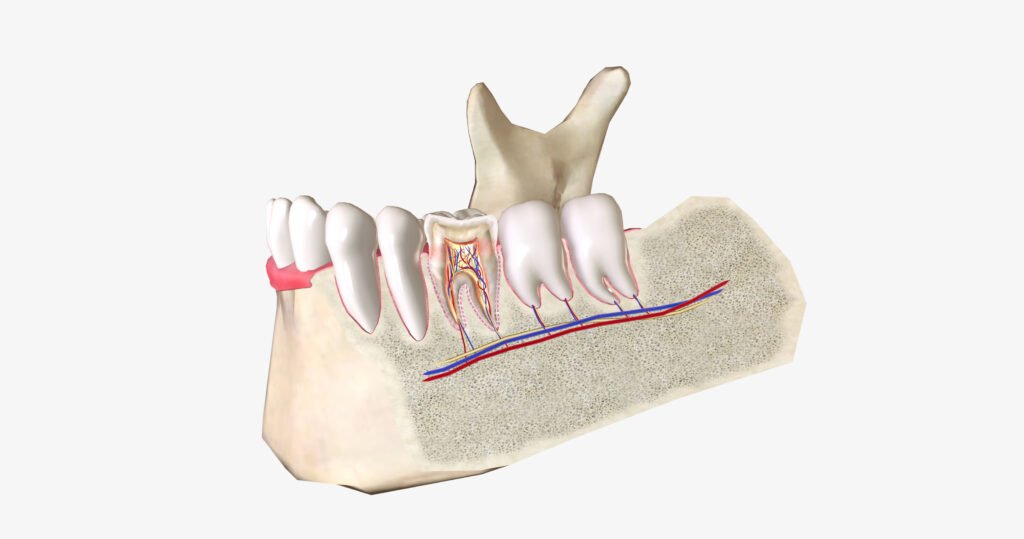
Tooth whitening gels typically contain hydrogen peroxide or carbamide peroxide as the active ingredients. These substances break down pigment molecules on the enamel surface and in the underlying dentin layer, thus lightening the tooth. During the process, the peroxide passes through microscopic channels in the enamel (dentin tubules), temporarily approaching the nerve tissue inside the tooth. This increased permeability makes the tooth temporarily more sensitive to external stimuli.
This condition should not be confused with the pain of an infection or cavity. Whitening sensitivity is caused by the temporary stimulation of the tooth's living nerve; it does not cause permanent damage to the tissue. In fact, clinical evaluations show that whitening does not permanently weaken the enamel structure, and the sensitivity subsides spontaneously after the procedure as the tubules remineralize.
Some individuals experience more pronounced sensitivity. Those with a history of gum recession, enamel erosion, frequent consumption of acidic beverages, or aggressive brushing may react more strongly because the dentin is already partially exposed. This doesn't mean the procedure was done incorrectly; it simply relates to the tooth's initial condition.
How long does it take?
Sensitivity after whitening is almost always temporary. In most patients, symptoms are most intense within the first 24 hours and usually significantly decrease within 24-48 hours. Rarely, especially after intensive in-office treatments involving multiple sessions, mild sensitivity may persist for three to four days. This sensation is not a constant pain, but rather a sharp ache that passes within seconds and is usually triggered by a cold stimulus.
The important thing is the direction of the course: normal sensitivity decreases day by day. If the sensitivity is gradually decreasing, there is no need to worry. However, pain that remains constant, increases, or spontaneously turns into throbbing may be a sign of a different condition; we discuss this distinction below.
Ways to reduce sensitivity
The first two days after whitening are the period when the tooth recovers. Taking a few simple steps during this time can significantly alleviate any discomfort:
- Use sensitivity-reducing toothpaste. Pastes containing potassium nitrate or strontium reduce sensitivity by raising the stimulation threshold of the nerve ending. Starting a few days before the procedure and continuing afterward is the most effective approach.
- Make use of fluoride. Fluoride helps close open pores by remineralizing the enamel surface. A fluoride gel or mouthwash recommended by your doctor is beneficial during this period.
- Avoid extreme cold and heat. Limiting foods that cause sudden temperature changes, such as iced drinks, ice cream, and very hot soup, for the first 48 hours will prevent unnecessary stimulation of the tooth. Drinking lukewarm beverages is the most comfortable option.
- Avoid acidic foods. Citrus fruits, carbonated drinks, vinegar, and acidic foods like lemon increase sensitivity during this period when the enamel is permeable. Similarly, avoiding dark beverages (coffee, tea, cola, red wine) for a day or two immediately after whitening, as they can re-stain the enamel, is beneficial for both sensitivity and aesthetics.
- Use a soft brush and gentle technique. Brushing too vigorously further stimulates exposed dentin. Gentle circular motions with a soft-bristled brush are sufficient.
- Take a simple painkiller if needed. If you experience significant discomfort, short-term pain relief, with your doctor's approval, may provide some relief during the first few days.
Most of these measures, rather than completely eliminating sensitivity, help you comfortably get through the 24-48 hour window during which your tooth recovers. Your body largely handles this process itself; your task is to avoid putting pressure on the tooth during this time. Another practical tip is to prefer whitening in the evening; this way, you spend the first few hours, when sensitivity is most intense, while you sleep, and you usually start the next day with a less noticeable feeling. Rinsing your mouth with warm salt water can also soothe the gums and contribute to comfort.
The difference in sensitivity between professional whitening and at-home whitening.
The severity of sensitivity varies depending on the method used. In in-office teeth whitening performed in a clinic, the peroxide concentration is higher; therefore, results are seen faster, but sensitivity can also be more sudden and pronounced. In contrast, since the procedure is performed under the supervision of a dentist, the gums are protected with a protective barrier, the application time is adjusted, and fluoride supplementation is given immediately if necessary. Therefore, although sensitivity may be higher, it is managed effectively.
In at-home teeth whitening with custom-made trays, the peroxide concentration is lower, and the treatment is spread throughout the day. This generally results in milder but longer-lasting sensitivity. The biggest risk with the at-home method is application errors: wearing the tray longer than recommended, applying too much gel, or getting it on the gums can increase both sensitivity and gum irritation. Therefore, at-home teeth whitening should also be planned under the supervision of a dentist, using a custom-made tray.
Ready-made whitening strips or pens sold in pharmacies and supermarkets are not tailored to your individual teeth, making their results unpredictable and posing the highest risk of uncontrolled sensitivity. If you are considering teeth whitening, determining the method through an examination directly impacts both the outcome and comfort.
When should something be considered abnormal?
While teeth whitening sensitivity is usually temporary, not all discomfort falls into this category. If you experience any of the following, it's most likely not normal teeth whitening sensitivity, and you should consult your doctor:
- If the pain worsens instead of decreasing after more than 48 hours,
- If there is a constant, throbbing pain that occurs spontaneously without any stimulus,
- If you are experiencing pain that is concentrated in a single tooth and wakes you up at night,
- If you notice whitening, burning, bleeding, or persistent irritation in your gums,
- If a noticeable and prolonged pain occurs in response to heat.
These findings may indicate an underlying cavity, leakage at the filling edge, a cracked tooth, or gum irritation that has been revealed by whitening. In such a case, the problem is not the whitening itself, but an existing and unnoticed problem that can be easily solved with early intervention. The pre-whitening examination we conduct for our patients from Kemerburgaz, Göktürk, Sarıyer, Arnavutköy, Bahçeköy, and Zekeriyaköy is there to minimize such surprises. Properly planned whitening on a healthy tooth will not cause any permanent problems, except for a few days of temporary sensitivity.
Frequently Asked Questions
How many days does sensitivity last after teeth whitening?
In most patients, tenderness is most intense on the first day and usually decreases significantly within 24-48 hours; rarely, it may last up to three or four days.
What should I do about sensitivity after teeth whitening?
Using potassium nitrate-based desensitizing paste and fluoride, and avoiding extremely cold, hot, and acidic foods for a day or two, significantly reduces sensitivity.
Can teeth whitening cause permanent damage?
When properly applied under the supervision of a dentist, teeth whitening does not permanently damage the enamel structure; any sensitivity felt is temporary, and the tooth recovers quickly.
In what situations should I consult a doctor?
If the pain persists for more than 48 hours, worsens, throbs spontaneously, is concentrated in one tooth, or causes persistent gum irritation, this is not normal sensitivity to teeth whitening; consult your dentist.
For your whitening plan and sensitivity management Kemerburgaz and its surroundings We can evaluate you at our clinic. Teeth Whitening You can get information about it or You can contact us to schedule an appointment..