
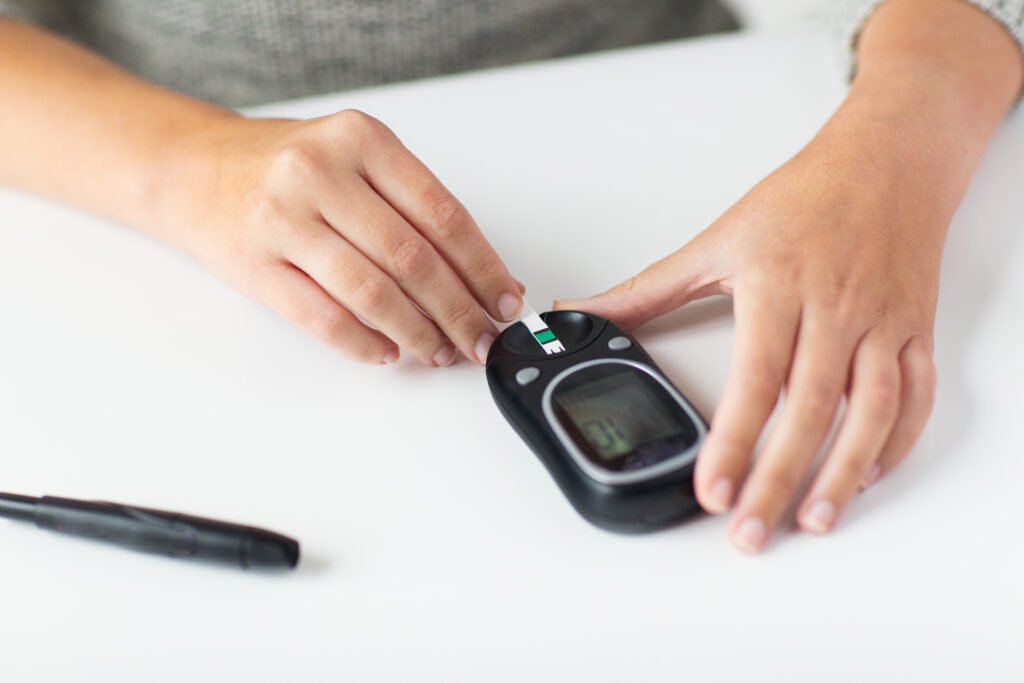
Diabetes is a disease that affects not only blood sugar but also many tissues in the body, including oral and dental health. We observe that gum problems are more frequent and more resistant in diabetic patients who visit our clinic in Kemerburgaz. The link between diabetes and dental health is twofold: uncontrolled blood sugar can impair oral health, while advanced gum inflammation can negatively affect blood sugar balance. In this article, we address this relationship, the precautions that can be taken, and how dental treatments are planned for individuals with diabetes in a balanced and informative framework.
The Two-Way Relationship Between Diabetes and Gum Disease
There is a reciprocal interaction between diabetes and gum (periodontal) disease. High blood sugar levels cause changes in the small blood vessels that nourish the gums and in the functioning of immune cells, making it easier for inflammation to develop. Therefore, gingivitis and the more advanced stage, periodontitis, may be more common in individuals with diabetes compared to the general population.
The other side of the relationship is just as important. Ongoing inflammation in the mouth creates a general inflammatory burden in the body, which can make it more difficult to keep blood sugar under control. In other words, neglected gum disease can indirectly complicate diabetes management. This reciprocal cycle highlights the need to consider oral health an integral part of diabetes management. Indeed, observations show that reducing oral inflammation through gum treatment can indirectly contribute to blood sugar management in some individuals.
An important aspect of this relationship is that symptoms can remain silent for a long time. Because gum disease often progresses painlessly, a person may not realize they have a problem until it reaches an advanced stage. In individuals with diabetes, this makes regular dental check-ups even more valuable, because inflammation detected early can be managed before permanent tissue damage occurs.
Symptoms of gum disease may include the following:
- Bleeding gums during brushing or spontaneously.
- Redness, swelling, and sensitivity in the gums.
- Gum recession and teeth appearing longer
- Bad breath or an unpleasant taste in the mouth
- Teeth may become loose or change position over time.
How does high blood sugar affect recovery and resistance to infection?
Prolonged high blood sugar levels can weaken the ability of tissues to repair themselves and the immune system's response to infections. Mouth sores, tooth extraction sites, or surgical areas may heal more slowly than expected when blood sugar is not well regulated. This can also slightly increase the risk of infection.
Therefore, it is recommended that even seemingly minor oral problems in individuals with diabetes should not be ignored. Early detection of gum inflammation or tooth decay is much easier and more comfortable to manage than advanced stages. Maintaining regular oral hygiene, as well as controlling blood sugar, plays a crucial role in supporting the healing process. Bringing blood sugar levels closer to the target range before a planned procedure can positively support both comfort during the procedure and subsequent recovery.
Dry mouth, yeast infections, and other symptoms.
One of the common conditions in diabetes is dry mouth. Reduced saliva flow decreases the mouth's ability to cleanse itself and balance acids. Since saliva acts as a natural buffer protecting teeth, its decrease can increase the risk of tooth decay and gum problems. Dry mouth can also affect the comfort of chewing, swallowing, and speaking.
Disruption of the mouth's moist and balanced environment can create a more favorable breeding ground for fungal infections (especially thrush caused by Candida species). These infections can manifest as whitish patches on the tongue or the inside of the cheeks, a burning sensation, or redness. To alleviate dry mouth, drinking enough water throughout the day, choosing sugar-free beverages, and using moisturizing products as recommended by your dentist can help. If these symptoms persist, it is advisable to consult your dentist for evaluation.
Can dental treatment and implants be performed in controlled diabetes?
One of the frequently asked questions is whether dental treatment or implant placement is possible for individuals with diabetes. Generally speaking, procedures such as fillings, root canals, tooth extractions, and implants can be safely performed with proper planning in individuals whose blood sugar is under control. The determining factor is not the presence of diabetes, but rather the extent to which it is controlled.
It is important to inform your dentist about your diabetes and the medications you are taking before treatment. If necessary, coordination can be established between your dentist and your endocrinologist or internal medicine specialist to plan the timing of treatment and necessary precautions. In implant treatment, since the osseointegration process, where the implant is placed in the jawbone, depends on healing, good blood sugar control contributes to the healthy progress of this process.
In cases of uncontrolled or unstable diabetes, some procedures may be postponed or planned with additional measures until blood sugar levels are regulated. These decisions are individual and are made in light of examination, medical history, and necessary tests. Our goal is always to conduct treatment in the safest and most comfortable way possible.
The Importance of Blood Sugar Control and Regular Dental Check-ups
Maintaining oral health in individuals with diabetes hinges on two key elements: good blood sugar control and regular oral hygiene. Keeping blood sugar within the target range directly contributes to both gum health and the success of treatments. This management should be approached within the framework of the nutritional, medication, and lifestyle recommendations prescribed by your physician.
Here are some practical oral care tips you can apply at home:
- Brush your teeth at least twice a day with a soft brush and fluoride toothpaste.
- Using dental floss or interdental brushes for cleaning between teeth.
- Drink plenty of water throughout the day to reduce dry mouth.
- Avoid tobacco products, as smoking significantly increases the risk of gum disease.
- Eating a balanced diet and avoiding frequent sugary snacks.
In addition, regular dental check-ups are of great importance for early diagnosis. For individuals with diabetes, check-ups every six months, and in some cases more frequently as recommended by the doctor, allow problems to be detected in their early stages. We recommend that our patients living in and around Kemerburgaz, Göktürk, Sarıyer, Arnavutköy, Bahçeköy, and Zekeriyaköy do not neglect regular oral and dental health examinations as part of their diabetes follow-up. It should not be forgotten that oral health and general health feed each other; when well-managed diabetes and regular dental care are combined, oral health can be maintained for many years.
Frequently Asked Questions
Why does diabetes affect the gums?
High blood sugar can affect the blood vessels that nourish the gums and the immune response, creating a predisposition to inflammation; therefore, gum disease may be more frequent and resistant in individuals with diabetes.
Can implants be given to a diabetic patient?
With proper planning, implant treatment can be safely applied to individuals whose blood sugar is under control; the determining factor is the degree to which the diabetes is controlled.
What causes dry mouth in diabetes?
Diabetes can reduce saliva flow; when the protective effect of saliva is decreased, the risk of dry mouth, tooth decay, and fungal infections may increase.
How often should someone with diabetes visit the dentist?
Check-ups every six months are generally recommended; however, your doctor may recommend more frequent monitoring if you have gum problems or uncontrolled blood sugar.
To assess your gum health Kemerburgaz and its surroundings We can evaluate you at our clinic. Gum Treatment You can get information about it or You can contact us to schedule an appointment..