
Experiencing slight sensitivity or a dull ache when biting a few hours after root canal treatment is common in most patients. This sensation may worry you, but it doesn't necessarily mean the treatment has failed. Knowing why post-root canal pain occurs, how long it lasts, and what situations require follow-up will make the process much easier.
Why does pain occur after root canal treatment?
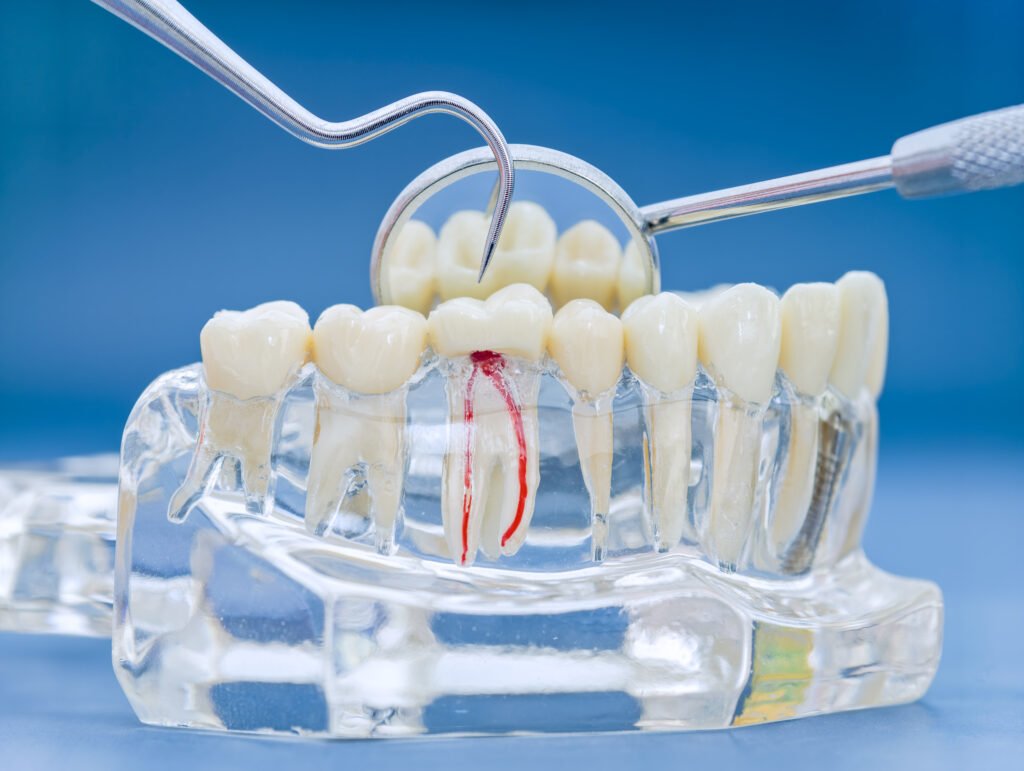
In root canal treatment, the inflamed or damaged pulp tissue inside the tooth is cleaned, the canals are shaped, and filled. Although this procedure eliminates pain in the tooth itself, the surrounding tissues remain stimulated for a while longer. The main sources of pain are:
- The healing process of the tissues at the root tip: If the infection or inflammation has been present for a long time, the tissues at the root tip will remain tender for a while as they repair themselves after treatment. This is a normal part of the body's healing response.
- Mechanical warning during the process: During root canal cleaning and shaping, the connective tissue surrounding the tooth (periodontal ligament) may be slightly irritated. This can cause sensitivity, especially during biting and chewing.
- Bite pressure: A treated tooth may be slightly higher than other teeth due to a filling or temporary placement. In this case, disproportionate pressure is placed on that tooth when the jaw closes, causing pain. If such a height difference exists, your dentist can correct it with a simple grinding procedure.
- Nerve sensitivity: Even if the tooth's nerve is removed, nerve endings in the surrounding tissues may remain sensitive for some time after the procedure.
How long does the pain last?
Most sensitivity after root canal treatment significantly decreases within the first 2-4 days. Mild pain due to pressure and biting is expected to subside within a week. This period may be slightly longer in cases of severe infection, long-standing tooth pain, or treatments completed in multiple sessions.
The general framework is as follows:
- First 24-48 hours: This is the period of most pronounced sensitivity. Pain felt when biting and a feeling of "awareness" of the tooth are normal.
- 3-7 days: The pain gradually subsides, and chewing becomes easier. The fact that the pain continues to decrease during this period is a positive sign.
- 1-2 weeks: In most patients, sensitivity disappears completely. In cases where the inflammation at the root tip is extensive, complete tissue healing may take weeks; during this time, a slight awareness may remain.
The important thing is that the direction is right: If the pain is decreasing slightly each day, the process is on track. However, a gradual increase in pain is a different matter, which we will discuss below.
When is something abnormal? Symptoms that should prompt you to see a doctor.
It is important to distinguish a problematic condition from the expected level of sensitivity. We recommend that you visit the outpatient clinic if you experience any of the following symptoms:
- Persistent or worsening throbbing pain: Pain that doesn't lessen after a few days, or even worsens and pulsates, may indicate a persistent infection.
- Swelling in the face or gums: Any swelling in the gums, cheek, or jaw area should be evaluated.
- Abscess or discharge from the gums: A small blister at the base of the tooth, a bad taste, or pus-like discharge are signs of an active infection.
- Fever and general weakness: Pain accompanied by fever may indicate that the infection has spread and requires prompt evaluation.
- The temporary filling may fall out or break: Leaving the canal space open to the oral cavity can lead to recontamination of the canals.
- An unbearable, sharp pain when bitten: It may indicate that a tooth is positioned higher than the others; this can be corrected with a simple adjustment.
These symptoms do not necessarily mean the treatment has failed; in most cases, they are easily resolved. However, timely intervention is crucial for a healthy course of treatment.
Pain Management After Root Canal Treatment
Several simple measures can help make the recovery period easier:
- Avoid chewing with the treated side: Especially until permanent fillings or veneers are placed, avoiding straining the affected area as much as possible will reduce sensitivity.
- Use of painkillers: The pain relievers prescribed by your doctor will easily control the sensitivity in the first few days. Do not increase the dosage on your own; use it as directed.
- Avoid hard, very hot, and very cold foods: Choosing warm and soft foods in the first few days will not strain the surrounding tissues.
- Maintain oral hygiene: Continue gently brushing the area; cleaning promotes healing. If needed, you can use a mouthwash recommended by your doctor.
- Stay away from cigarettes: Smoking slows tissue healing and increases the risk of infection.
The Importance of Temporary Filling Period and Permanent Restoration
A tooth that has undergone root canal treatment is often sealed in the mouth with a temporary filling. This period is an interim stage before the tooth is finalized and requires care. Temporary fillings are not as durable as permanent fillings or crowns; therefore, chewing hard foods with that tooth can cause the temporary filling to wear down or fall out.
Teeth that have undergone root canal treatment can become more fragile over time because the nerve has been removed. Especially in the back teeth, a permanent restoration (filling or crown) that fully protects the tooth must be completed within the planned timeframe to ensure the tooth's longevity. Prolonging the temporary filling period puts the tooth at risk. Therefore, we recommend that you do not miss your follow-up appointments and permanent restoration appointments as recommended by your dentist.
In summary, mild tenderness and biting pain felt in the first few days after root canal treatment are a natural part of the process and usually subside within a week. A gradual decrease in pain is an indicator of healing; increased pain, swelling, or persistent throbbing should be evaluated. Patients from Kemerburgaz, Göktürk, Sarıyer, Arnavutköy, Bahçeköy, and Zekeriyaköy areas should consult us if they have any concerns about the process.
Frequently Asked Questions
How many days of pain is normal after root canal treatment?
Mild tenderness from bites and pressure is expected to decrease significantly in the first 2-4 days and disappear within a week. A slight decrease in pain each day is a sign of healing.
What should I do if the pain increases after root canal treatment?
If the pain worsens instead of decreasing, turns into throbbing pain, or is accompanied by swelling, you should consult your doctor immediately; most cases can be easily resolved.
Can I chew with a tooth that has had root canal treatment?
Avoiding chewing hard foods with that tooth in the first few days, especially until a permanent filling or crown is placed, will both reduce sensitivity and prevent damage to the temporary filling.
What happens if the temporary filling falls out?
If the temporary filling falls out, it can leave the root canal open to the oral cavity and increase the risk of reinfection; in this case, it is necessary to visit the clinic promptly to have the area reclosed.
To evaluate your persistent pain. Göktürk and its surroundings We can evaluate you at our clinic. Root Canal Treatment You can get information about it or You can contact us to schedule an appointment..