
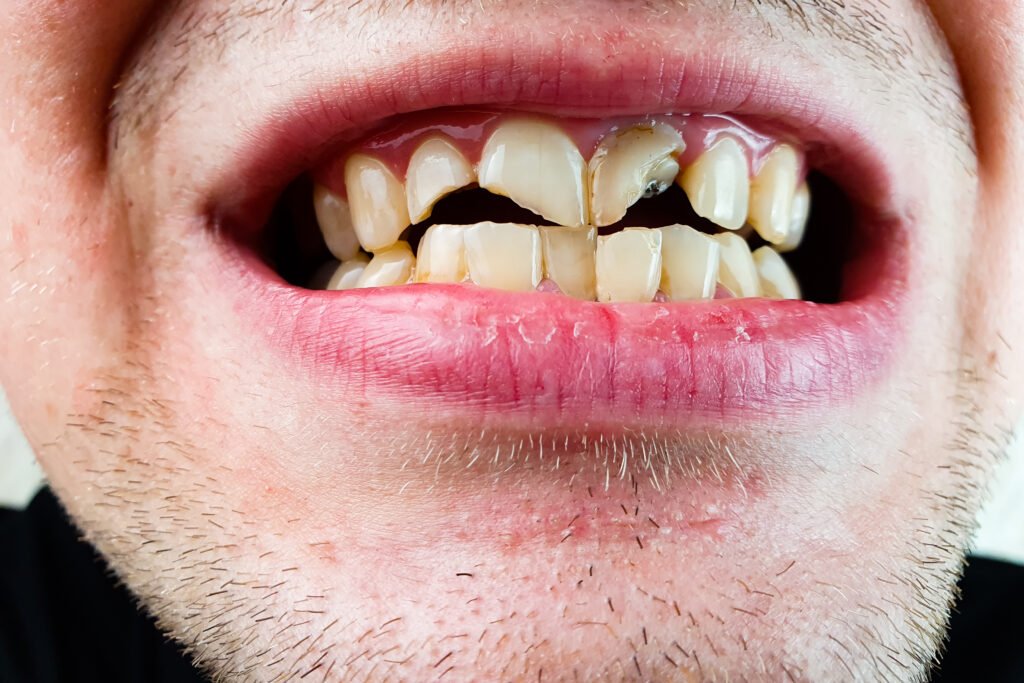
A tooth fracture or dislodgement often happens suddenly: a fall, a hard bite, a blow during sports, or a car accident. What you do at that moment largely determines the long-term fate of the tooth. The good news is that, except in cases of trauma, major bleeding injuries, or loss of consciousness, most teeth can be saved by following the correct steps in order, without panicking. In this article, we practically discuss the types of fractures, the critical "golden hour" for a dislodged tooth, how to preserve the tooth, and how to manage pain and bleeding.
Types of fractures: not all fractures are the same.
The severity of tooth damage varies depending on which layer of the tooth the fracture has reached. A rough estimate of the type of fracture will give you an idea of how quickly you need to seek medical attention. However, a definitive assessment is always made through a dental examination and, if necessary, X-rays.
- Enamel fracture (superficial crack or corner fracture): These are fractures confined to the enamel, the outermost, hard layer of the tooth. They are usually painless; you may feel a sharp edge. They are not urgent, but you should see a dentist for edge trimming and cosmetic repair to avoid damaging the tongue and cheek.
- Fracture reaching the dentin: These are fractures where the yellowish dentin layer beneath the enamel, adjacent to the nerve, is exposed. Sensitivity begins with contact with cold, heat, sweet things, and air. Because dentin is connected to the nerve by microscopic channels, there is a risk of infection in these types of fractures; a doctor should be consulted within a few days.
- Fracture that reaches the nerve (pulp): These are fractures that expose the blood vessel and nerve tissue in the center of the tooth. A pinkish-red spot or spontaneous bleeding may be seen on the fracture surface; pain is significant. This is considered a true dental emergency and requires intervention as soon as possible, preferably the same day; root canal treatment is often necessary.
- Root fracture: The fracture is located in the root area beneath the gum and may not be visible from the outside. Key symptoms include tooth looseness, pain when biting, and discoloration. Diagnosis is made via X-ray; the location of the fracture within the root determines whether treatment can save the tooth.
A tooth that came out completely: a gold watch
Avulsion is the complete dislodgement of a tooth from its socket due to trauma. In a permanent tooth, this is the most time-sensitive situation because the periodontal cells surrounding the root and preparing the tooth for attachment to the bone begin to die rapidly outside the mouth. The chance of replanting the tooth is highest in the first 30-60 minutes; therefore, this time period is crucial. gold watch It is said that the earlier the intervention, the greater the chance of the tooth taking hold.
Here's a step-by-step guide for a dislodged permanent tooth:
- Female only the crown part, Hold the tooth by the white part visible in the mouth. Do not touch the soft tissues and fibrous extensions at the root; these cells are vital for the tooth to reattach.
- If the tooth falls to the ground and gets dirty, a few seconds cold milk or saline solution Rinse gently. Do not scrub with tap water, brush, use disinfectants, or dry out the roots; all of these will damage the cells.
- Gently if possible put it back in its slot Try to hold it steady by having it bite down on a clean gauze or handkerchief. This is the best way to dislodge the tooth.
- If you can't replace it, don't let the tooth dry out. The best storage environments are, in order: milk, saline Or it's the person's own saliva; don't keep the tooth in your mouth, especially in young children, due to the risk of swallowing. Leaving it in water for a long time is not recommended as it damages the cells.
- Keep the tooth in this condition and get to the dentist as soon as possible. Milk is the most practical option since it is often available at home.
One important exception: Baby teeth are not re-implanted. If a child's baby tooth has been knocked out, do not attempt to re-implant it to avoid damaging the underlying permanent tooth germ; a doctor's evaluation is still necessary.
Bleeding and pain management
Bleeding from the gums, lips, or cheeks after dental trauma is common and usually controlled with pressure. Staying calm will help both reduce bleeding and ensure you take the right steps.
- Place a clean gauze or handkerchief on the bleeding area. 10-15 minutes of continuous pressure Apply this method. Continuously opening and checking the opening will delay clotting.
- To reduce swelling and pain, place a thin piece of cloth on the outside of the cheek, between the skin and the cheek. cold compress You can apply it.
- You can take a painkiller that your doctor doesn't approve of. Avoid aspirin in the first few hours after the trauma, as it may increase bleeding.
- Give the fractured or sensitive tooth a rest in the first few days: avoid very hot or cold drinks, hard and chewy foods, and chew with the teeth on the opposite side if possible.
- If bleeding does not stop after 15-20 minutes of pressure application, or if there is confusion, severe headache, vomiting, or a noticeable deformity of the jawbone, this is a medical emergency; seek immediate medical attention at the nearest emergency room.
Why is it necessary to see a dentist immediately?
Even if the fracture appears small and there is no pain, a dental evaluation is important. A fracture that appears superficial may expose dentin or be close to a nerve; a root fracture, however, can only be detected with an X-ray. Trauma that is not treated promptly can lead to discoloration, infection, abscess, and ultimately tooth loss. Early examination allows for more preventative treatments and prevents more extensive procedures that may be needed in the future.
If you live in or around Kemerburgaz, Göktürk, Sarıyer, Arnavutköy, Bahçeköy, or Zekeriyaköy, in case of dental trauma, applying the first aid steps above and storing the tooth in the right environment until you reach the clinic will strengthen the dentist's hand. Especially with a dislodged permanent tooth, contacting the clinic by phone beforehand and setting off will save time.
Permanent solutions: How to repair a broken or missing tooth?
The treatment to be applied after the examination is determined according to the type of fracture and the condition of the tooth. The goal is to preserve the natural tooth as much as possible; if this is not possible, to fill the gap in a healthy way.
- Composite fillers and bonding: In cases of enamel and limited dentin fractures, aesthetic repair can be performed in the same session using tooth-compatible composite material.
- Veneers (crowns) and laminates: For larger amounts of tooth structure loss, crowns that surround the tooth or thin porcelain laminates on the front teeth provide a durable and natural appearance.
- Root canal treatment: In cases of fractures that reach the nerve, and in situations where the nerve has lost its vitality after trauma, the tooth can be saved without extraction.
- Splint (fixation): New or loose teeth are temporarily attached to surrounding healthy teeth to stabilize them during the healing process.
- Implants and bridges: In cases where the tooth cannot be saved, a permanent solution is provided by replacing the missing tooth with an implant or bridge.
In summary, while dental trauma is often not a life-threatening emergency, prompt and accurate first aid, a calm demeanor, and timely dental care significantly increase the chances of saving your tooth. Knowing the right steps is your greatest advantage in those critical moments.
Frequently Asked Questions
Can I put a dislodged tooth back in?
For a permanent tooth, yes; you can try gently rinsing it with milk or saline solution while holding it only by the crown and placing it back in its socket. Baby teeth cannot be reinserted.
What should I hide the tooth in?
The best medium is milk, followed by saline or the person's own saliva. Do not let the tooth dry out, do not leave it in water for a long time, and do not rub the root.
Should I still see a dentist if my broken tooth doesn't hurt?
Yes. Fractures that appear painless may actually contain exposed dentin or a fractured root; early examination reduces the risk of infection and tooth loss.
What does "gold watch" mean?
The chances of successfully re-implanting an uprooted permanent tooth are highest within the first 30-60 minutes. Reaching a dentist during this time significantly increases the likelihood of the tooth taking hold.
Don't delay seeking treatment for your broken or damaged tooth. Göktürk and its surroundings We can evaluate you at our clinic. Root Canal Treatment You can get information about it or You can contact us to schedule an appointment..